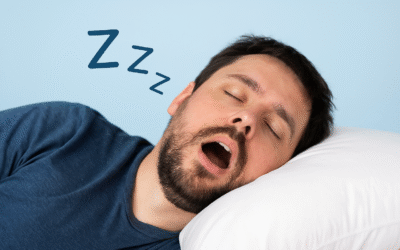
What makes people snore? Snoring, also known as snoring, is a common problem that affects many people and impacts on the quality of sleep of both the snorer and the person next to them. This sound occurs when the flow of air is obstructed during breathing, especially at night. Here, we explore the most common causes of snoring and provide some practical solutions to help reduce or eliminate the problem.
Causes of snoring: What makes people snore?
Snoring occurs when the flow of air through the airways is partially or totally blocked. This obstruction can have various causes, including:
- Nasal obstruction: When the airways are blocked due to allergies, sinusitis or colds, breathing through the nose is compromised, and breathing through the mouth increases the likelihood of snoring.
- Muscle relaxation: During sleep, the muscles in the throat relax. In some people, this excessive relaxation causes the airways to narrow.
- Excess weight: The extra tissue around the neck can put pressure on the airways and make it difficult for air to pass through.
- Sleeping position: Sleeping on your back makes it easier for your tongue to slide backwards, blocking the passage of air.
- Alcohol consumption: Alcohol relaxes the throat muscles even more, increasing the risk of snoring.
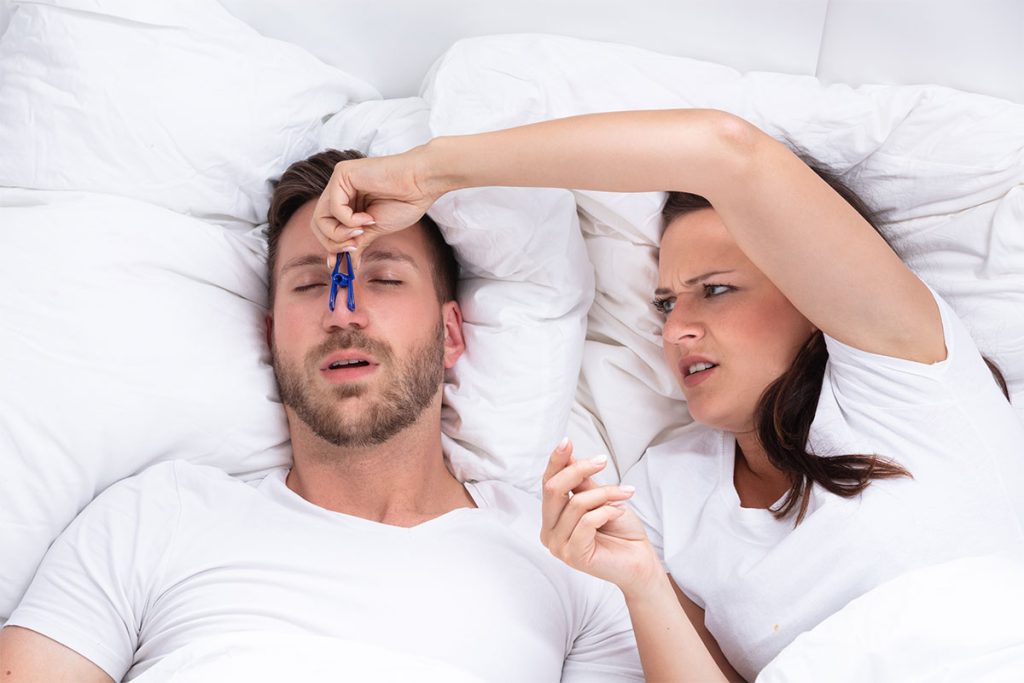
Treatments and solutions to reduce snoring
Although snoring can have many causes, there are also many effective solutions. From lifestyle adjustments to the use of specialized products, it is possible to minimize snoring and improve sleep quality. Here are some suggestions:
1. maintain a healthy weight
For overweight people, losing weight can be an effective solution to reducing snoring. Combined with regular exercise and a balanced diet, losing weight can help reduce the pressure on the airways.
2. Use an anti-snoring product
Anti-snoring devices can help relieve obstruction in the airways. The NasalHelper, an innovative magnetic nasal strip, is a practical and effective example for those looking for immediate relief. With its unique design, it helps to open up the airways, increasing airflow and providing a peaceful night’s sleep.
3. Adopt a regular sleep routine
Having a consistent sleep schedule is essential for improving sleep quality and reducing snoring. Sleeping enough hours and maintaining a routine helps to reduce pressure on the airways.
4. Try different sleeping positions
Sleeping on your side instead of your back is a technique that reduces snoring in many people. When you sleep on your side, the airflow remains more constant, preventing airway obstruction.
5. Learn about our history and our commitment to well-being
NasalHelper was born with the commitment to offer effective and affordable solutions to improve the quality of sleep and well-being of our customers. We develop our nasal strips based on research and innovation, with the aim of providing everyone with a restful and restorative night’s sleep.
When to seek medical help?
If your snoring is constant and significantly affects your quality of life, it’s worth seeking help from a specialist. Severe snoring may be associated with conditions such as sleep apnea, which requires monitoring and treatment. Find out more about the causes and treatments for snoring here.
Conclusion
Snoring can be uncomfortable, but there are solutions to reduce or even eliminate it. Whether it’s small changes to your routine, anti-snoring products such as NasalHelper or the right medical support, you can find the best treatment for each case and guarantee more restful nights and free breathing.